Light Pollution: Reading

Good morning, class. Here you have a text from National Geographic about Light Pollution to begin your morning
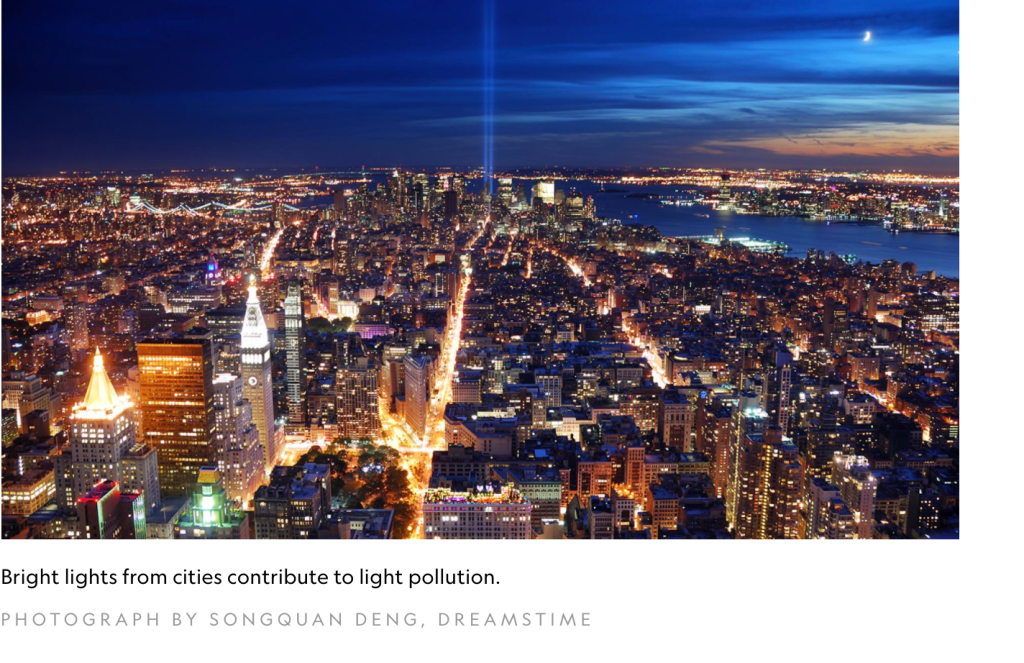
https://kids.nationalgeographic.com/explore/space/light-pollution/

QUESTIONS

Answer the questions with FULL SENTENCES

(RESPONDE A LAS PREGUNTAS CON FRASES COMPLETAS)

  1. Who said “When I was a little boy, I loved the night sky.”
  2. What is the International Dark-Sky Association for?
  3. What is Robert Gent’s job?
  4. How many stars are normally visible to the human eye without special equipment?
  5. How many stars can you see in a typical city with light pollution?
  6. How does light pollution affect our view of the night sky?
  7. Where can people see the Milky Way with the naked eye?
  8. What is the inexpensive solution to light pollution?
  9. How does light pollution affect migrating birds?
  10. How does light pollution affect sea turtles?

AND NOW… WATCH THIS VIDEO!!!

Practice saying ON ONE HAND I THINK THAT… ON THE OTHER HAND I THINK THAT…

write two sentences to talk about the good and bad effects of light. You can also record a video or your voice and send it to me =)

escribe dos frases para hablar de los efectos buenos y malos de la luz utilizando “on one hand… on the other hand…” puedes escribirlo simplemente o grabarte y enviármelo.
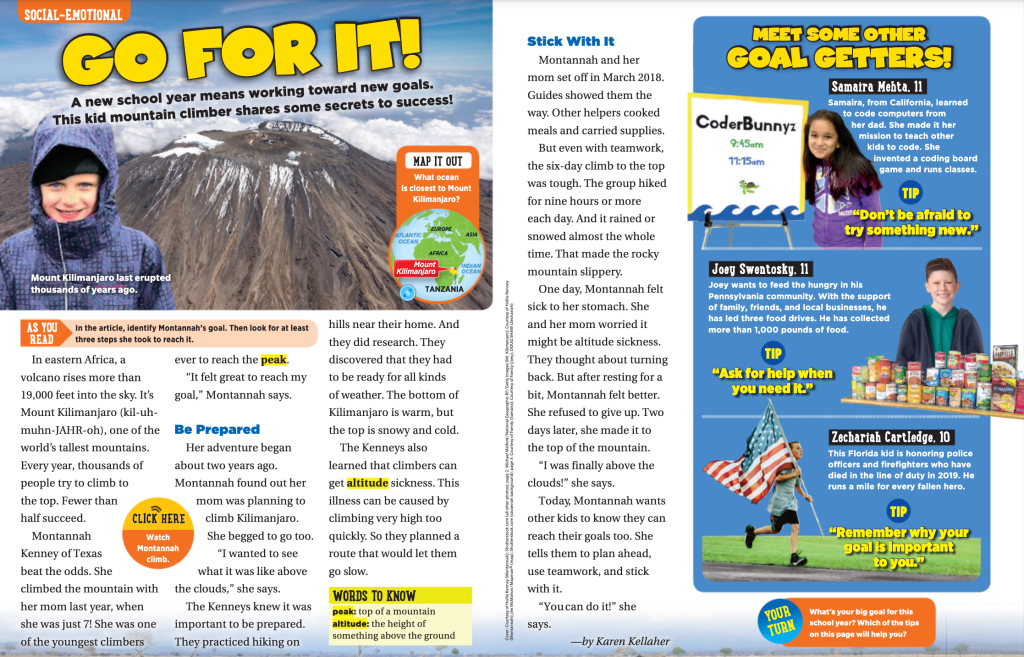
READING AN ARTICLE: Go for it!

HI CLASS!

This is the article you are going to read this week. It is about a girl called Montannah Kennedy. She climbed Kilimanjaro mountain when she was only seven!

read the article and answer the questions.

here you have a link to the article

https://sn3.scholastic.com/etc/classroom-magazines/reader.html?id=14-090219

QUESTIONS

  1. Write a definition (IN ENGLISH) of these words. Write a sentence witch each one.
    • peak
    • begged (to beg)
    • altitude sickness
    • set off
    • tough
  2. Write RIGHT, WRONG or DOESN´T SAY. CORRECT the ones that aren’t right
    • Most people who try it, get to the top of the Kilimanjaro mountain
    • Montannah is the youngest person ever who has climbed the Kilimanjaro
    • Montannah wanted to climb the mountain after she knew that her mum was going to do it.
    • Montannah and her family have climbed many more mountains in the past.
    • The family took the most difficult route
    • Montannah and her family had other people helping them.
    • the weather was sunny and hot for most of the time.
    • At one point, the girl felt ill
  3. Use the reported speech to write 3 sentences that Montannah could have said to her mum. EXAMPLE: Montannah said that she wanted to climb the Mountain
  4. Read the section “MEET OTHER GOAL GETTERS”. Create your own fictional kid and write about him/her. Use simple past, present continuous and future with WILL/WOULD EXAMPLE: Pelusín is a 12 year old boy from Madrid who learnt how to create 3D films when he was 7. Nowadays he is making a short film about his friends from San Juan Bosco. In the future he would like to do films with both cartoons and real characters.
  5. download this pdf document and fill the information

email me if you have any doubts or questions

MUSIC HOMEWORK

Hi class! your teacher Ángela sends this activities for you

Dear students,

How are you doing?. I hope you are well. I miss you and I hope we can go back to the school soon.

On the meantime😊… os mando unas actividades de música para que practiquéis y no desconectéis del todo. Elegid UNA de las dos para grabaros. Me tendréis que enviar el video a este correo: angela.solisyubero@educa.madrid.org

¡LA PRÓXIMA SEMANA HABRÁ MÁS!

IMPORTANTE: EL VÍDEO QUE GRABÉIS NO SE VA A PUBLICAR EN NINGÚN SITIO. SÓLO ES PARA QUE ÁNGELA VEA CÓMO TRABAJÁIS.

Juego de vasos con la música de Habana

Aprender este baile

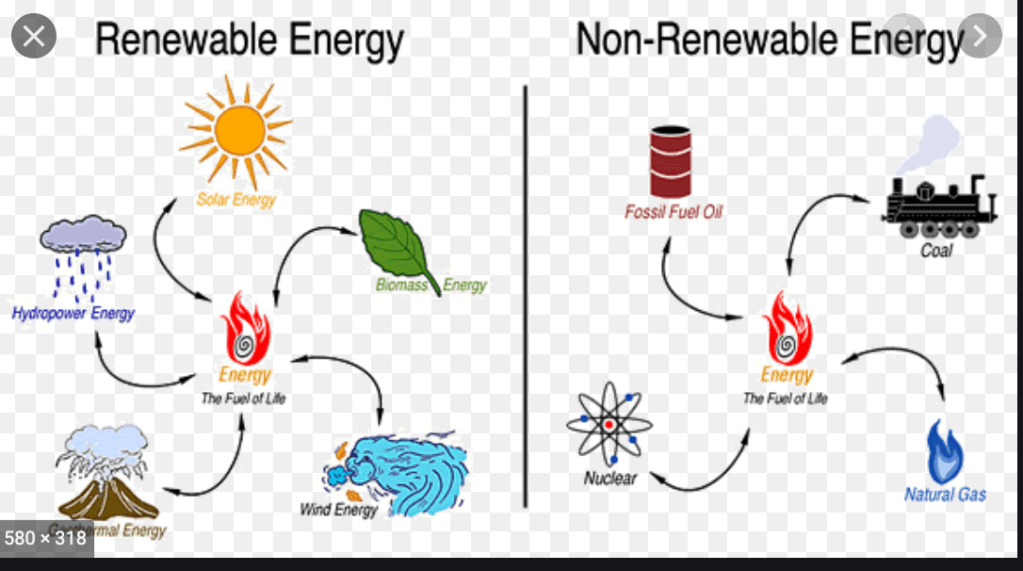
RENEWABLE AND NON RENEWABLE ENERGY

HELLO FIFHT GRADERS

We are going to learn about energy. We need energy to have electricity, to move our cars and buses and to have heat.

Does all the energy come from the same sources?

(¿viene toda la energía de las mismas fuentes?)

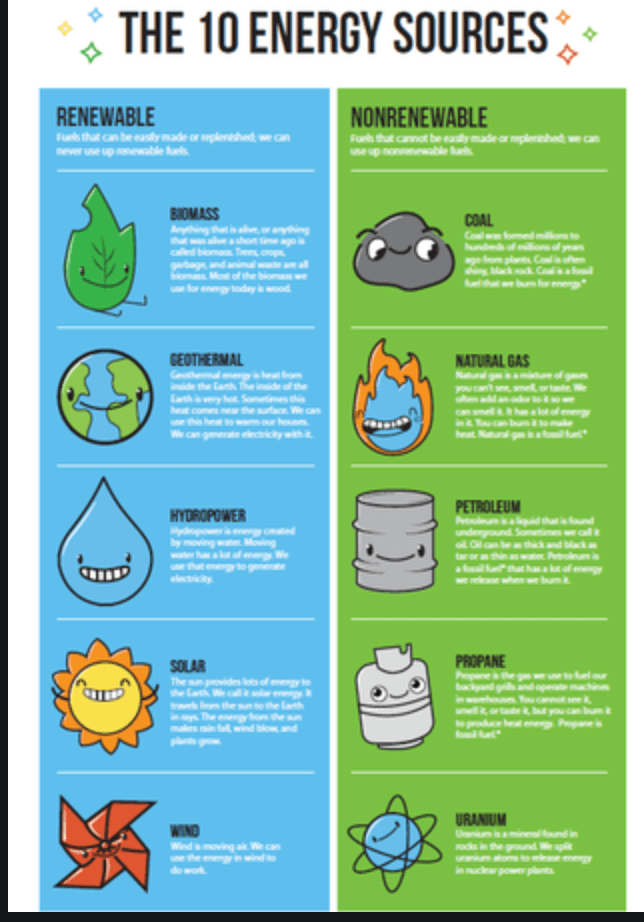
Energy comes from different sources. Energy sources can be renewable (energía renovable) or non-renewable (energía no renovale)

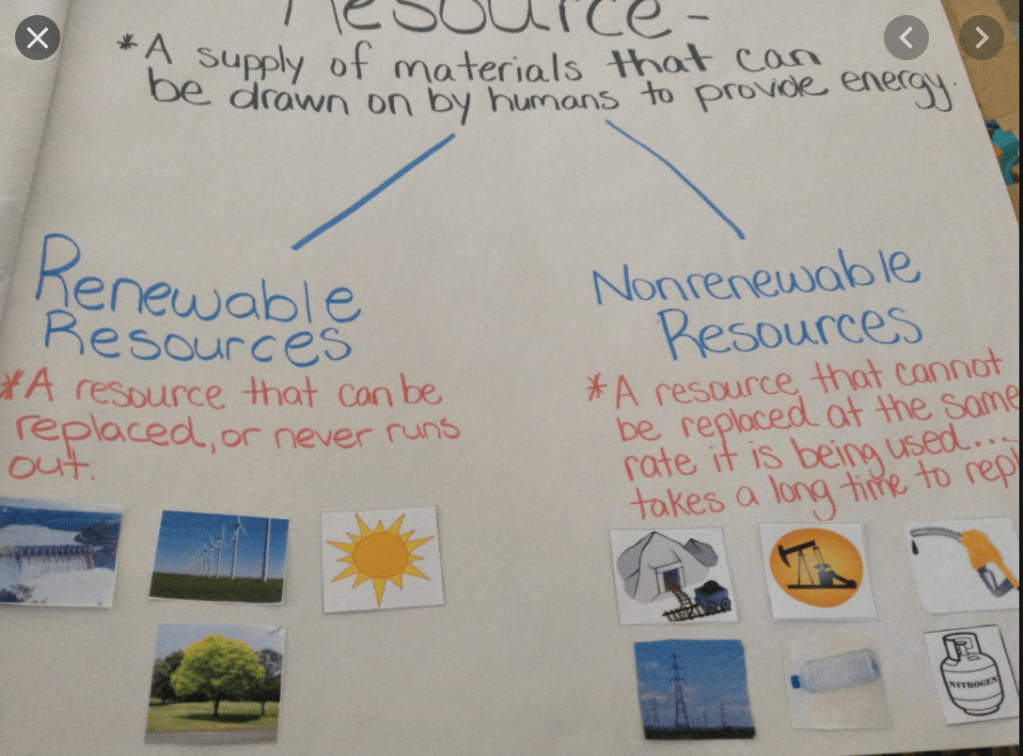
RENEWABLE ENERGY is NATURALLY REPLACED by the EARTH. We never run out of it

(la energía renovable es reemplazada por la tierra y nunca se agota)

NON-RENEWABLE ENERGY is NOT REPLACED. It is LIMITED (

la energía no renovable no se sustituye y es limitada, se agota)

WATCH THIS VIDEO

Here you can find one more video and more information. Look at the definition of the words.

https://www.generationgenius.com/videolessons/renewable-vs-nonrenewable-energy-for-kids/

Do a graphic organizer in which you classify renewable and non-renewable sources of energy. Write some keaywords of each type

Haz un esquema clasificando fuentes renovables y no renovables de energía. Escribe dos o tres palabras muy importantes sobre cada tipo de energía.

look at these examples

7″ Riddle challenge April 14th

Hello fifht graders

Hello sixth graders.

Ready to practice your English this week? Let´s begin with a seven second riddle video. Watch the video and answer the 10 questions.

QUESTIONS

1. Where do you want to steal an old sword?
2. What is the floor on the long large hallway?
3. Who noticed you and sounded the alarm in the courtyard?
4. In the middle of the hallway, where is the sword placed?
5. What animal is in the jar with water?
6. What happens if you turn the last gear to the left?
7. What happens if you turn the last gear to the right?
8. What happens if you step on the wrong floorboard?
9. What happens if you attack the guards with the sword or the ninja stars?
10. What happens if the firepit connects with oil?

For questions 6 to 10 you MUST write conditional sentences.

(las preguntas 6 a 10 se responden con frases en condicional)

ZERO CONDITIONAL

¿cómo se hace el zero conditional? es MUY FÁCIL

IF + PRESENT SIMPLE –> SIMPLE PRESENT

If you study, the teacher is happy

If you see a friend, you say hello

If you feel sick, you go to the doctor

If you play a lot with your tablet, your eyes hurt.

PRACTICE YOUR ZERO CONDITIONAL HERE

https://www.perfect-english-grammar.com/zero-conditional-exercise-1.html

email me your answers before FRIDAY THE 17TH to

sanjuanboscoandres@gmail.com

SEMANA SANTA (HOMEWORK)

Hi class!! I don´t want to send you a lot of homework. Just a little bit

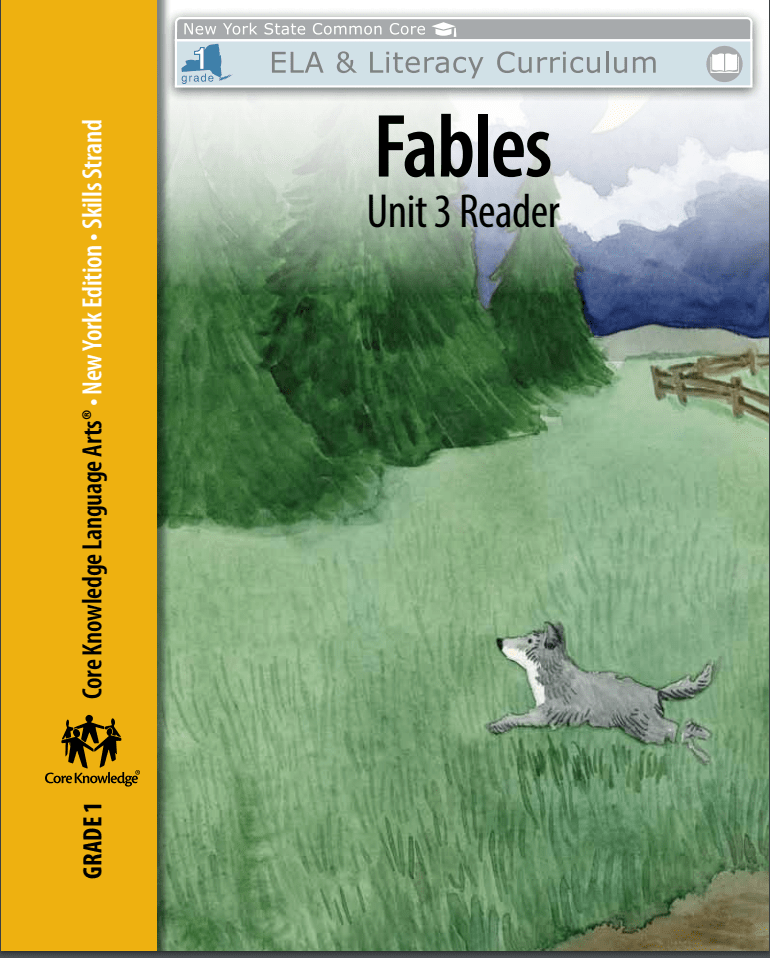
Here you have a book. It is a fables book. There are 12 stories. You have to read at least 2 and make a summary

(Lee al menos 2 cuentos de este libro y haz dos resúmenes.)

This is what your summary MUST have

  • Title
  • argument (what happened?)
  • setting (where?)
  • characters (who?)
  • words I didn´t know (write one sentence with each word)

If you want, you can read the whole book

We will be in contact after holiday!! Take care

HUERTO

Hola alumnas y alumnos de quinto y sexto

En días como hoy, lluviosos y casi invernales, me acuerdo mucho de nuestro huerto y pienso en cómo estarán nuestras pobres plantitas tan solas ellas.

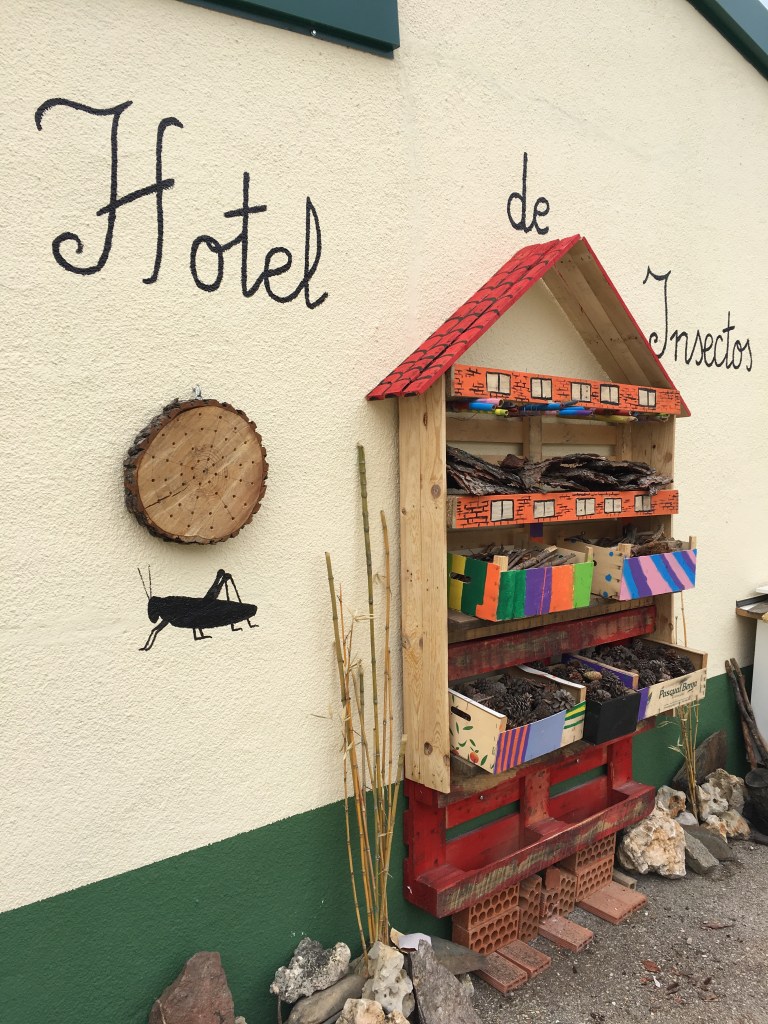
Antes de que todos tuviéramos que irnos a casa encontré tiempo para hacer esto, quería enseñároslo aunque me hubiese gustado más que lo vierais en persona

Una amiga mía que es profe de Huertos (aunque no lo creas existen profes que solo se dedican a los huertos) ha hecho este trivial. Me pide que le mandemos preguntas. Por favor, después de jugar, haz una pregunta y escríbela en los comentarios de este post. (PINCHA EN LA FLOR PARA EMPEZAR Y DESPUÉS PINCHA EN LA FLECHA QUE APARECE ABAJO A LA DERECHA)

¡Cuidaos bien!

Drawing landscapes/ Dibujando paisajes

Hello fifth graders!

Are you doing some Art work these days? I hope so. Today we are going to learn how to draw landscapes (paisajes).

In these videos you have different techniques to make your pictures look awesome.

Something very important when we draw landscapes is the RULE OF THIRDS

(LA REGLA DE TERCIOS ES MUY IMPORTANTE)

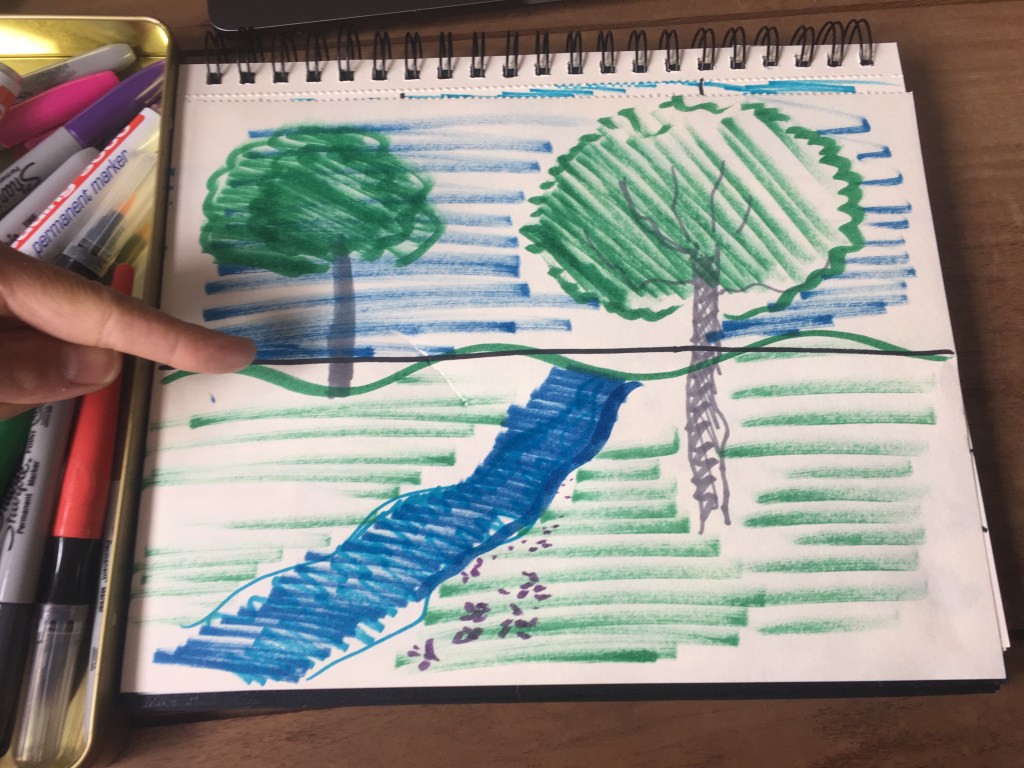
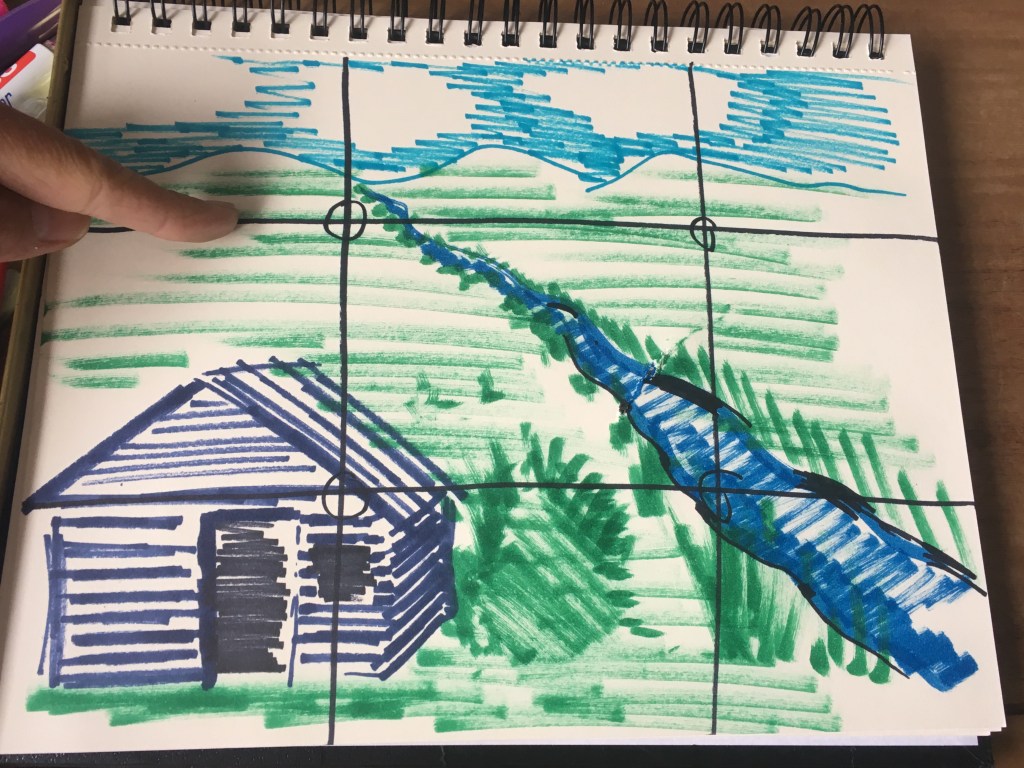
Divide your paper in three parts and put the horizon line in one of the horizontal lines. you SOULDN’T put the horizon line at the center of your picture. Look at these two examples I drew myself

(divide tu papel en tres partes y pon la línea del horizonte en una de las dos líneas, nunca pongas el horizonte en el centro)

Picture on the left side is a BAD PICTURE: The horizon line is at the centre, the trees are equally big, the river has the same size…

En el dibujo de la izquierda he hecho la línea del horizonte en el medio. Los árboles son del mismo tamaño y el río es siempre igual… no hay profundidad ni perspectiva y por eso es un MAL DIBUJO

Picture on the right side is a GOOD PICTURE: the horizon line is at the superior third, the river is smaller at the background and bigger when it comes close to us. The grass is big on the front and small at the back.

el dibujo de la derecha es un BUEN DIBUJO: la línea del horizonte no está en el medio (está en el tercio superior), el río es pequeño al fondo y cada vez se hace más grande y lo mismo pasa con la hierba.

NOW YOU DRAW YOUR LANDSCAPES! SEND THEM TO ME AND I WILL UPLOAD YOUR PICTURES TO THE CLASS BLOG!

Design a site like this with WordPress.com
Get started