COMPARATIVES

Hi class.

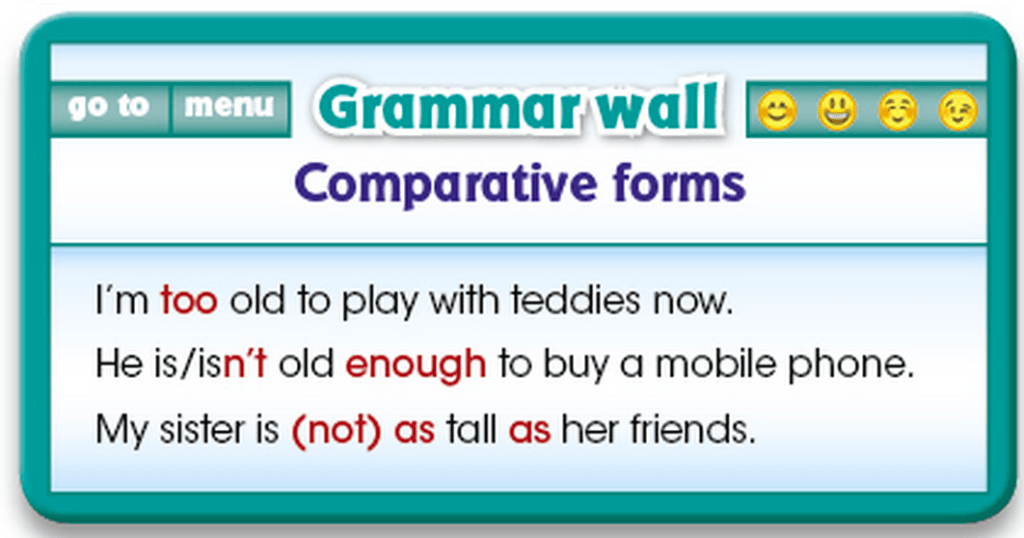
In unit 7 we are learning how to COMPARE two things using

too+adjective (This is too small; I am too young; they are too tired)

(not) + adjective + enough. (I am not big enough; she is old enough)

as + adjective + as. (we are as intelligent as you; he is as happy as his brother)

check this gramamar box
And watch this video

Now, you can try to record yourself doing the same.

ARE YOU BRAVE ENOUGH TO DO IT? I KNOW YOU CAN BE AS BRAVE AS I AM BECAUSE LET’S FACE IT… YOU ARE OLD ENOUGH TO RECORD YOUR OWN VIDEOS

If you want some extra practice here you have some online worksheets

https://www.englishexercises.org/makeagame/viewgame.asp?id=5249
https://es.liveworksheets.com/worksheets/en/English_as_a_Second_Language_(ESL)/Too_or_enough/Too_or_Enough$_fe151yd

Unit 7 Grammar: Present Perfect

Hello, class, in this Unit you are going to learn how to ask and answer using the PRESENT PERFECT.

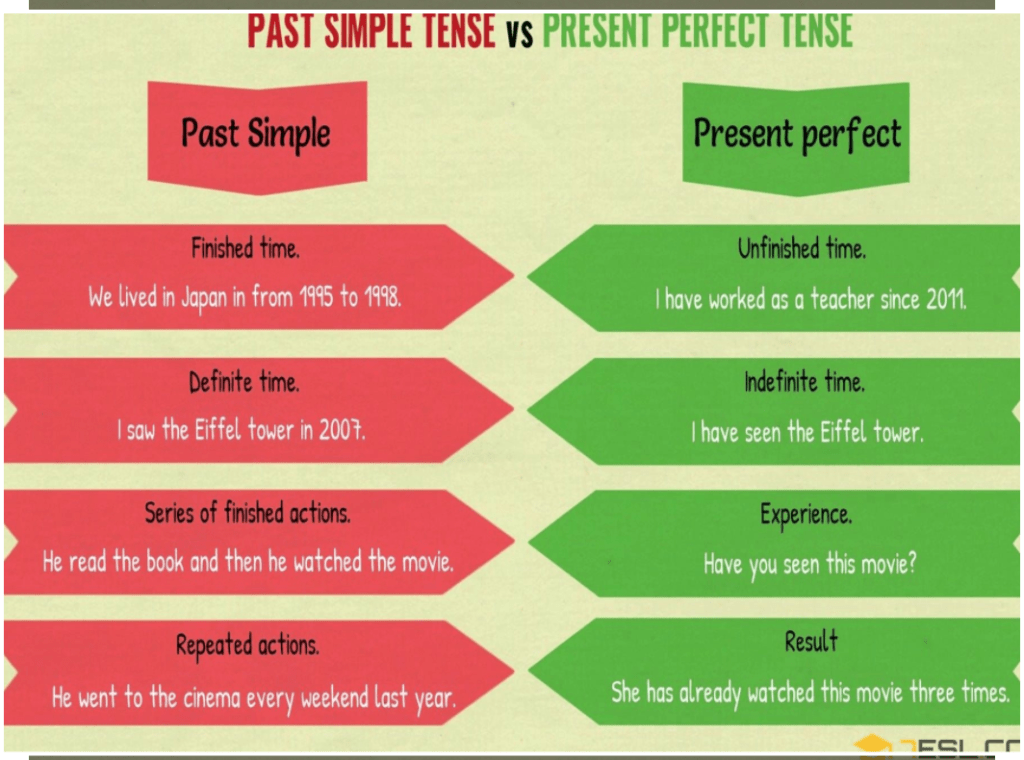
Present perfect is different to simple past. We use present perfect to talk about….

  • cosas que empezaron en el pasado y aún continúan. I have worked in the school since last year
  • cosas que han pasado ya pero no sabemos cuan do. I have been to China
  • Para preguntar si alguien ha hecho algo: HAVE YOU CLEANED YOUR ROOM?

Check this video. Camille asks me if I have done my chores.

Now it is your turn to practice! can you record yourself in a conversation like mine??

CHANGES IN MATTER

Hello class! welcome to a new NATURAL SCIENCE unit

Today we are going to experiment with changes in matter. First I would like you to watch this video

IMPORTANT IDEAS:

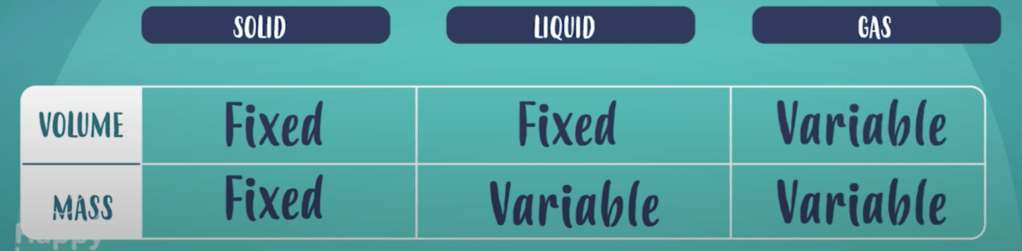
  • matter has mass (masa) and volume (volumen). It weights and occupies space (pesa y ocupa un espacio)
  • matter can be solid (sólido) liquid (líquido) and gas (gaseoso)
  • solid, liquid and gas have different characteristics
  • we can change states by cooling and heating things.

READY FOR AN EXPERIMENT???

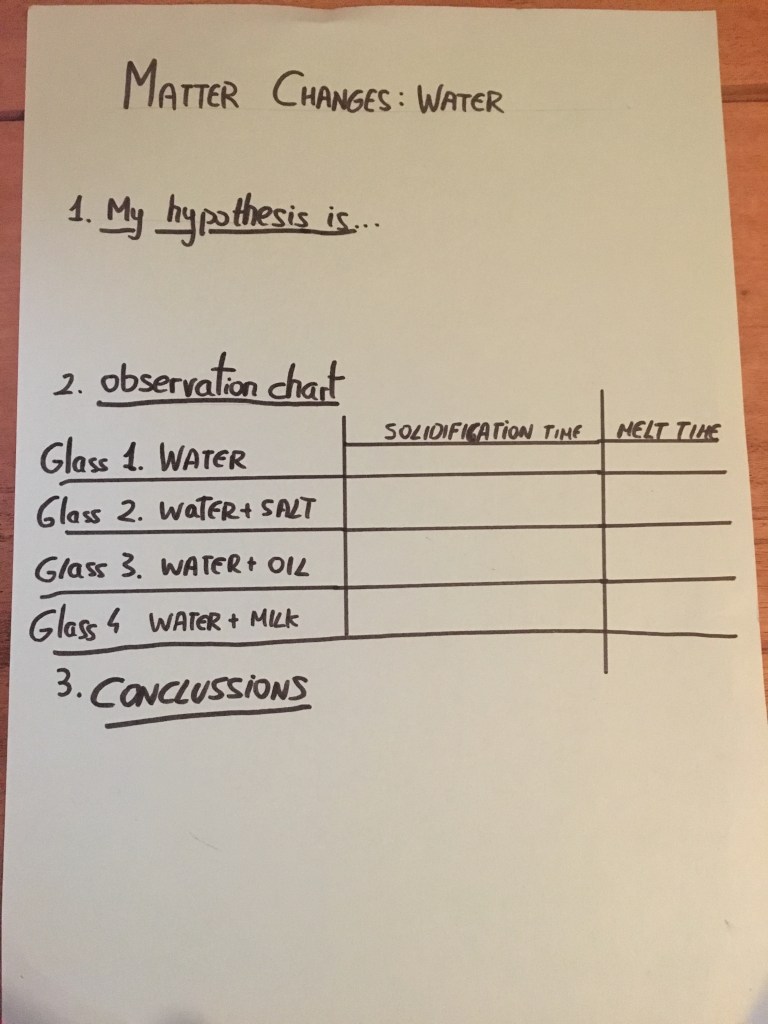
First, you need to do an observation chart like this.

Now that you have it, watch my video and…HANDS ON!

Matter (Activities)

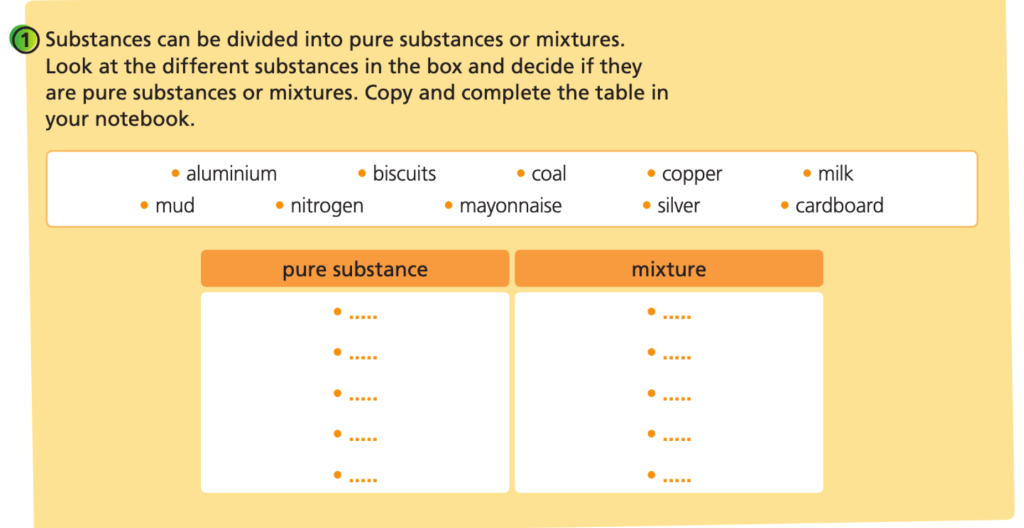
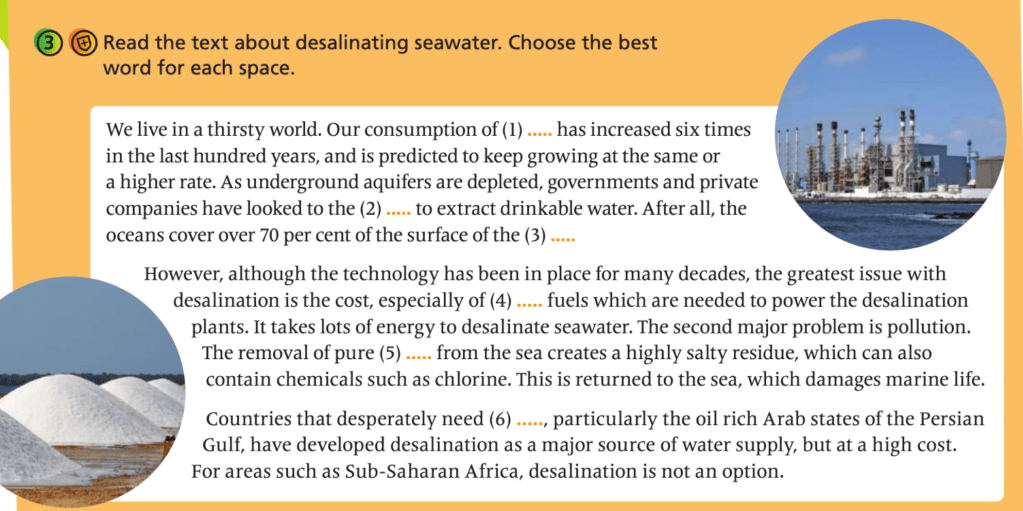
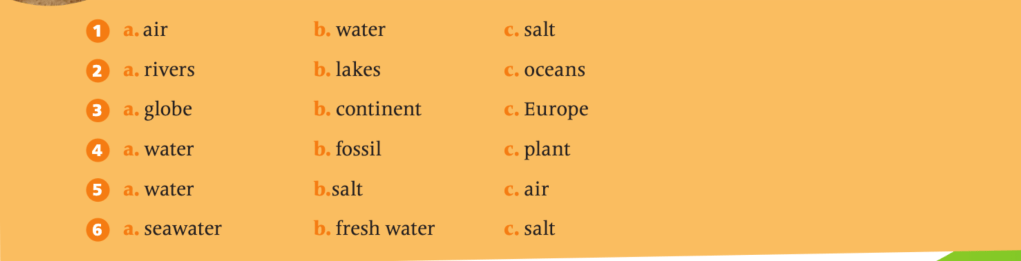
It is OK if you don’t have your Natural Science book. here you have some photographs of the activities you have to do.

Si no tenéis el libro de Natural Science no pasa nada, aquí tenéis fotos de las actividades que tenéis que hacer

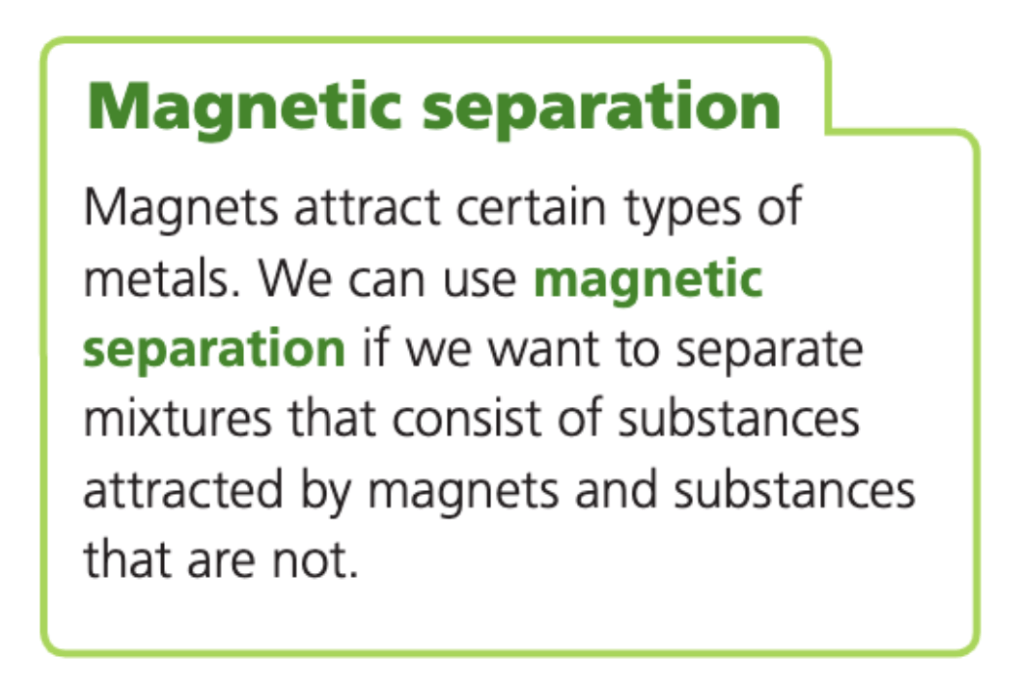
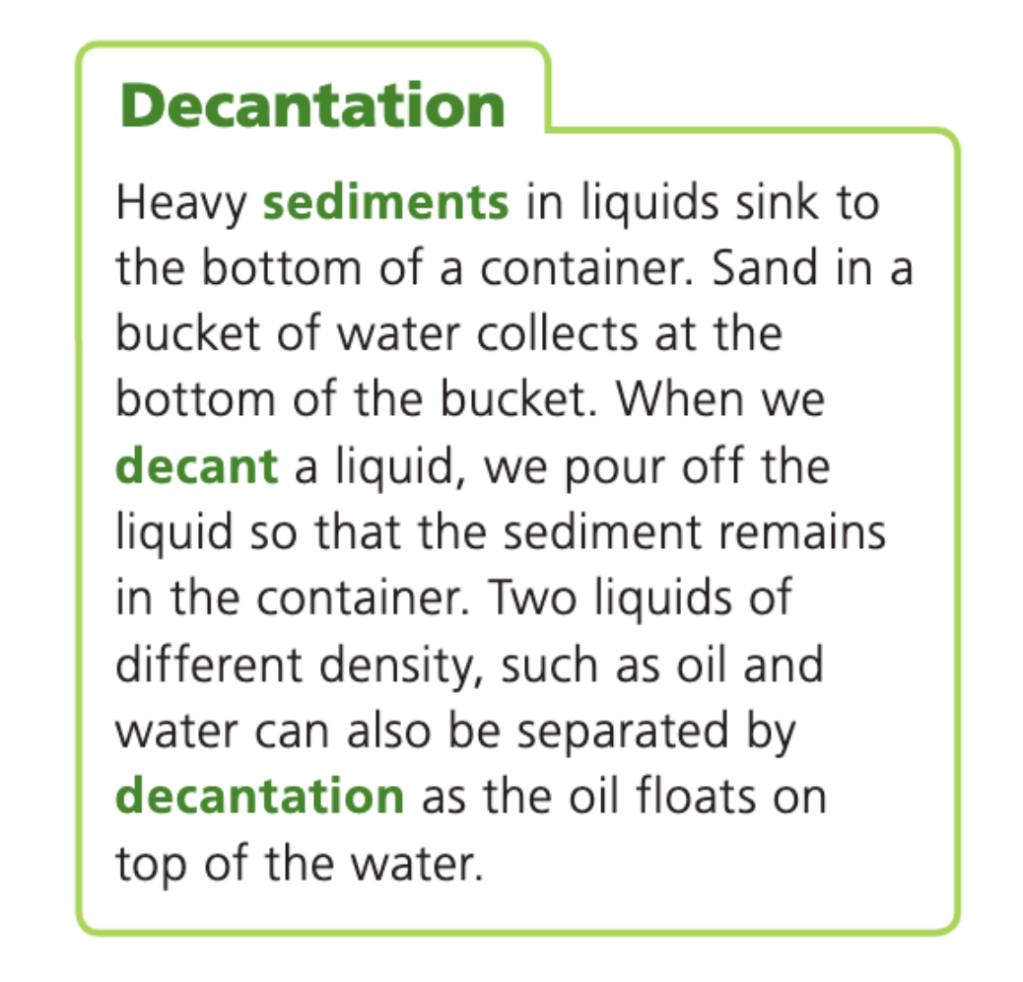
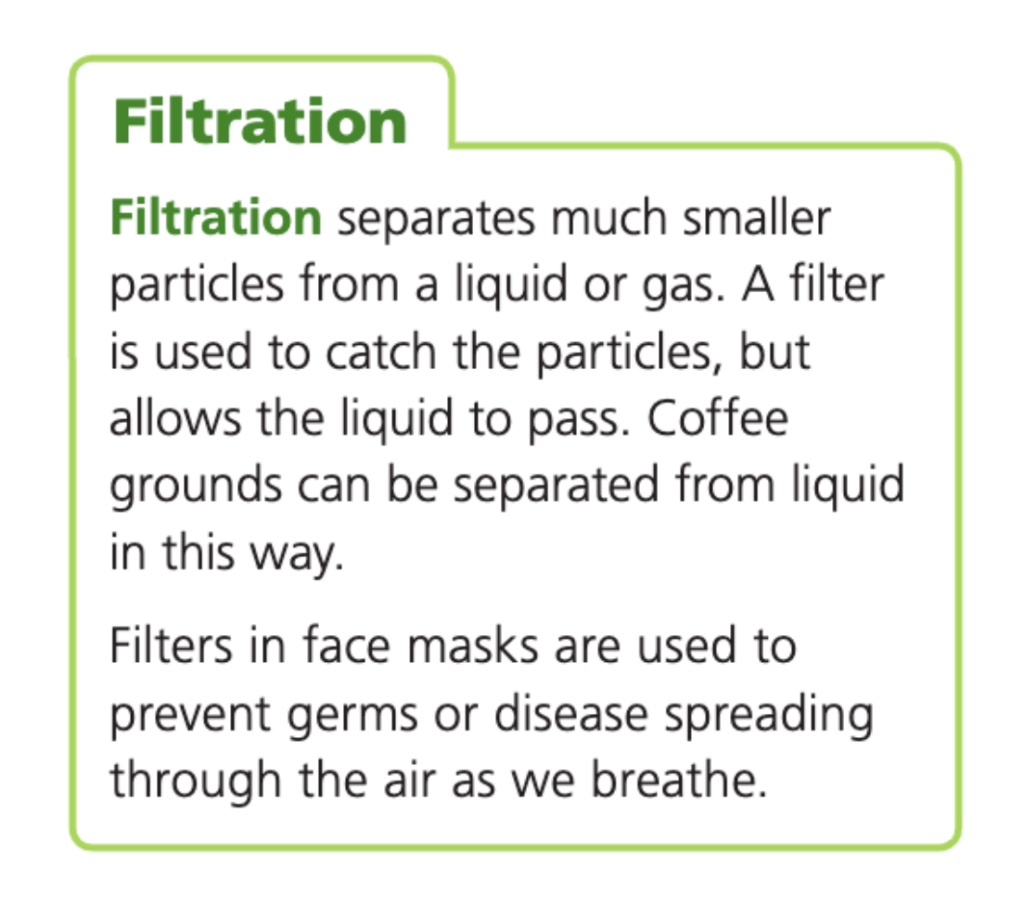
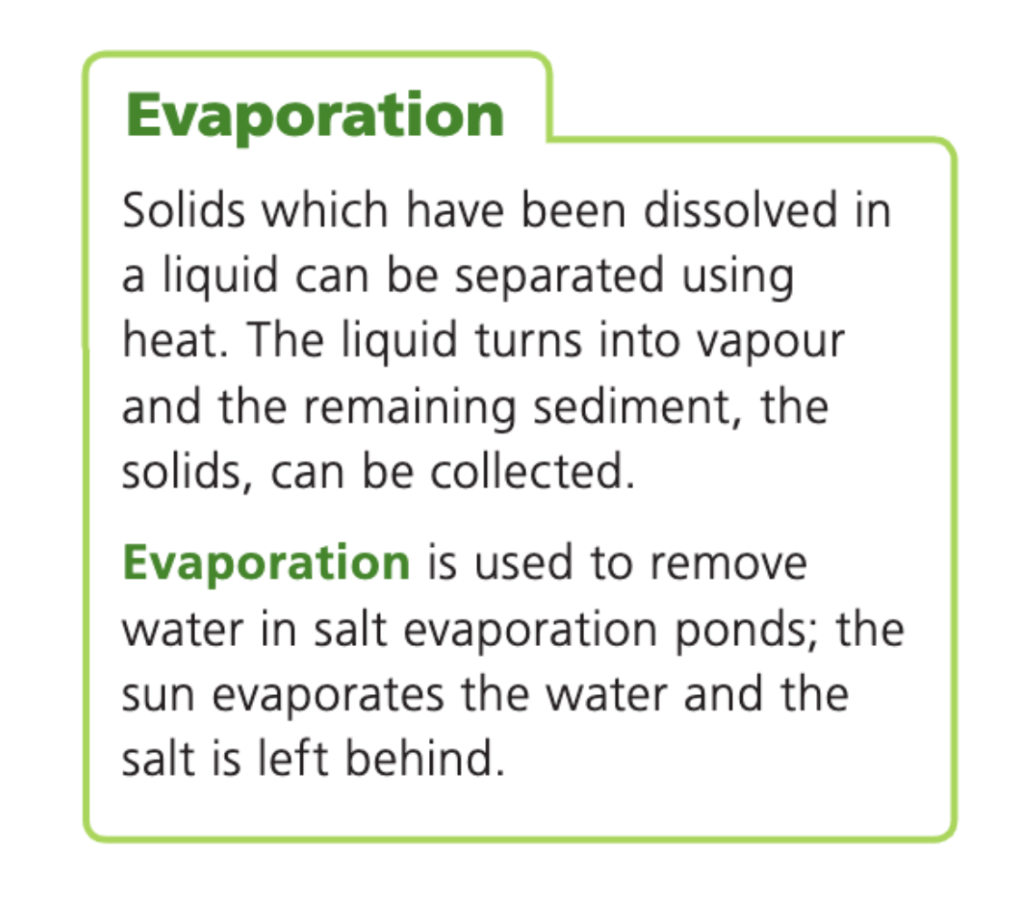
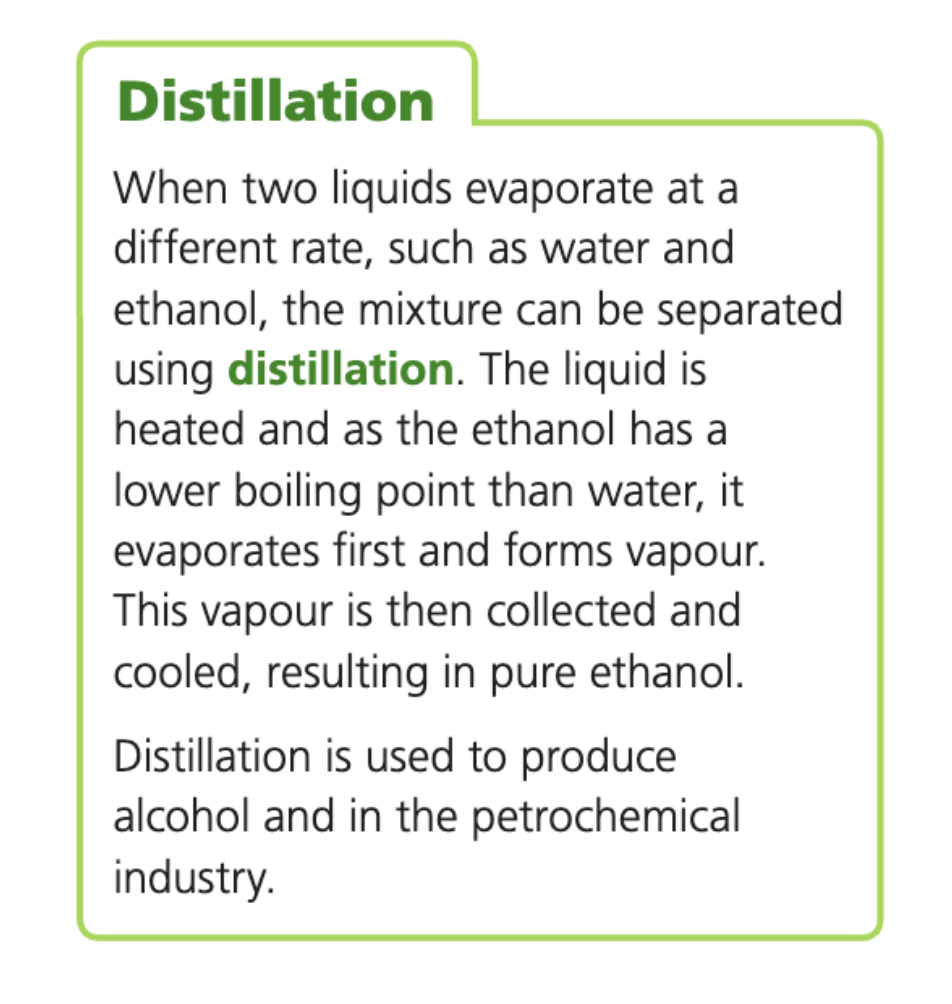
And here you have texts about different ways of separating mixtures. Read all and do a small research (investigación) about one of them.

LEARN MORE HERE

http://www.eschooltoday.com/science/elements-mixtures-compounds/separation-of-mixtures.html

https://www.bbc.co.uk/bitesize/guides/zgvc4wx/revision/1

IF YOU WANT YOU CAN RECORD YOURSELF DOING ONE OF THIS EXPERIMENTS

ENERGY (I)

Hi class!

This week we begin a new unit about ENERGY

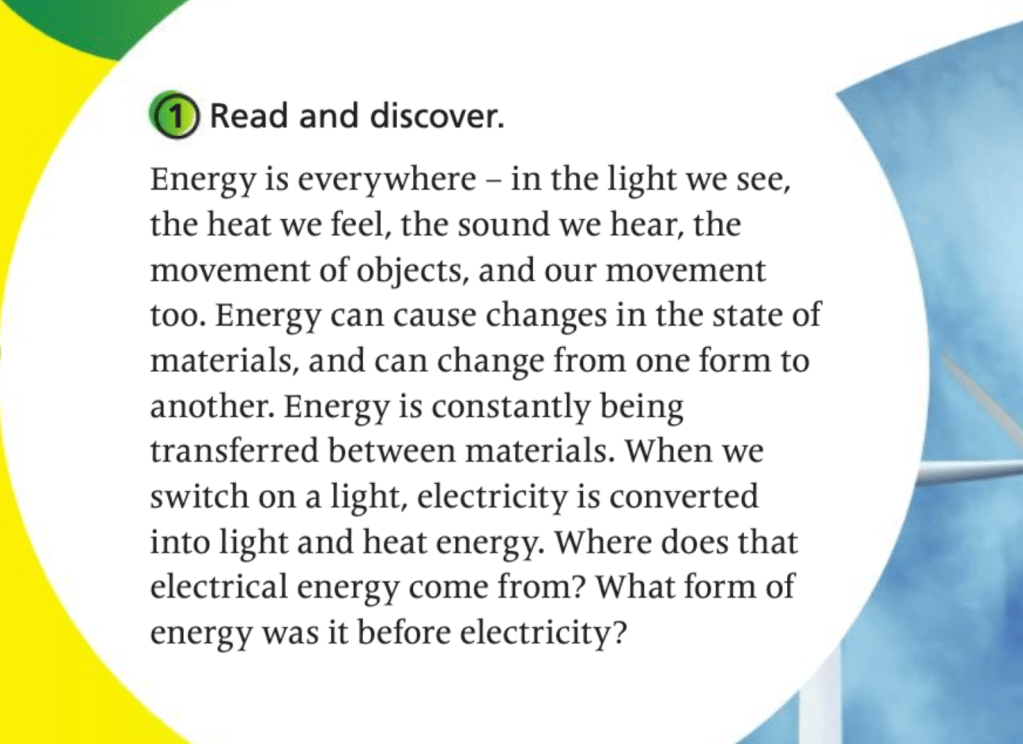
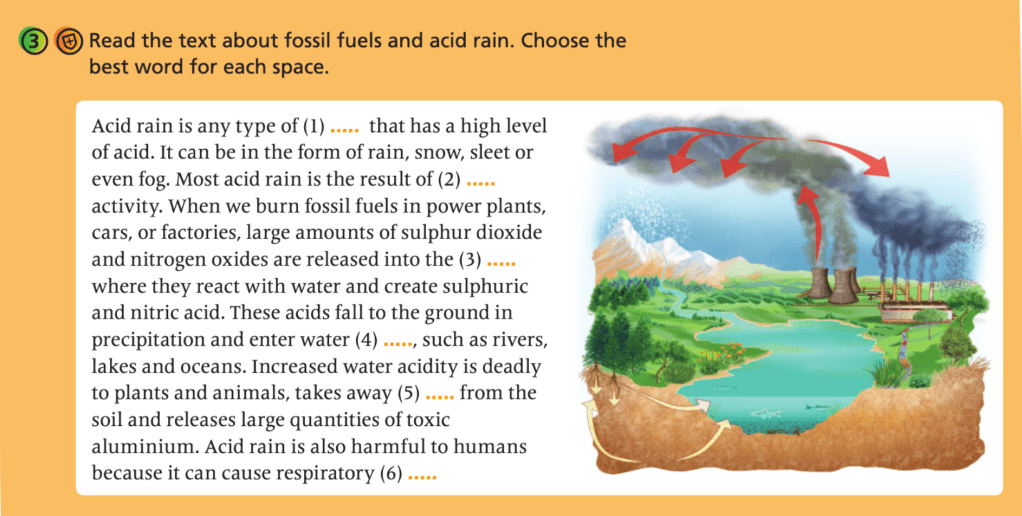
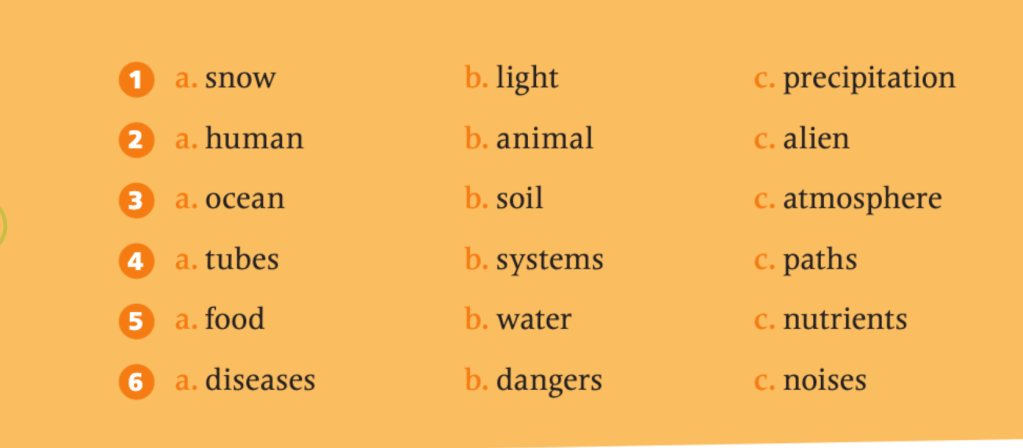
Read this text and answer the questions

PREGUNTAS QUE TIENES QUE RESPONDER Y MANDARME POR FOTO:

  • WHERE DOES ELECTRICAL ENERGY COME FROM? (¿DE DÓNDE VIENE LA ELECTRICIDAD?
  • WHAT FORM OF ENERGY WAS IT BEFORE ELECTRICITY? (¿QUÉ HABÍA ANTES DE LA ELECTRICIDAD?
  • MAKE A LIST OF EVERYDAY ACTIVITIES THAT REQUIRE ENERGY

Now watch this video

make sure you understand this words

Kinetic energy (energía cinética: es la energía que existe en las cosas que se mueven como el viento o el agua de un río

potential energy (energía potencial: la energía que un objeto tiene dentro, es lo que puede hacer si se libera su energía. por ejemplo el agua que está quieta en un pantano)

IMPORTANT

ENERGY CANNOT BE CREATED OR DESTROYED. IT ONLY TRANSFORMS

(La energía no se crea ni se destruye, sólo se transforma).

Photography Portraits

Good morning and happy Friday, kids!

We keep learning about photography and we are moving on to… Portraits!

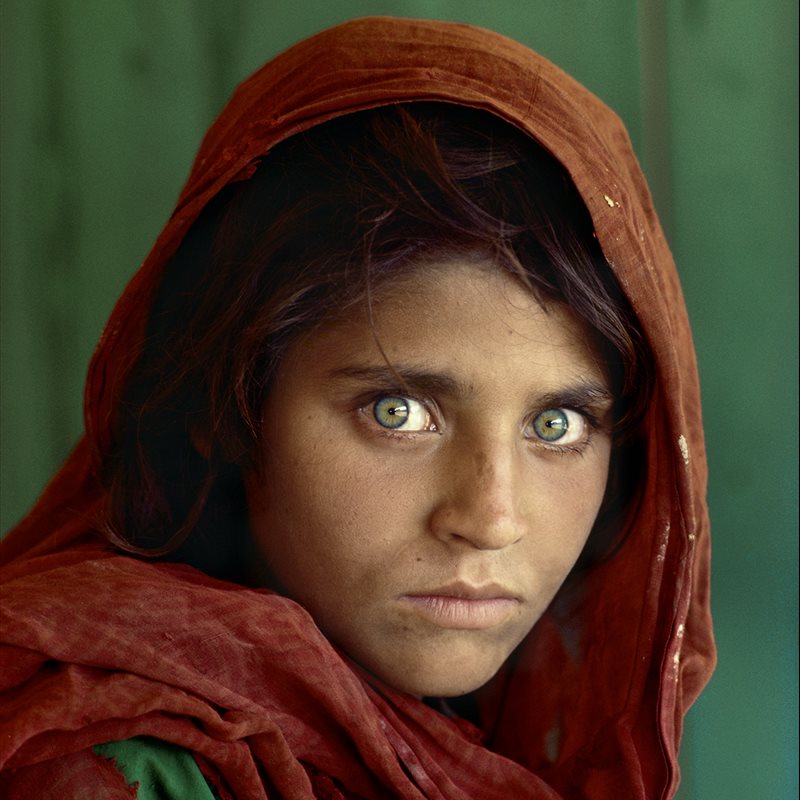
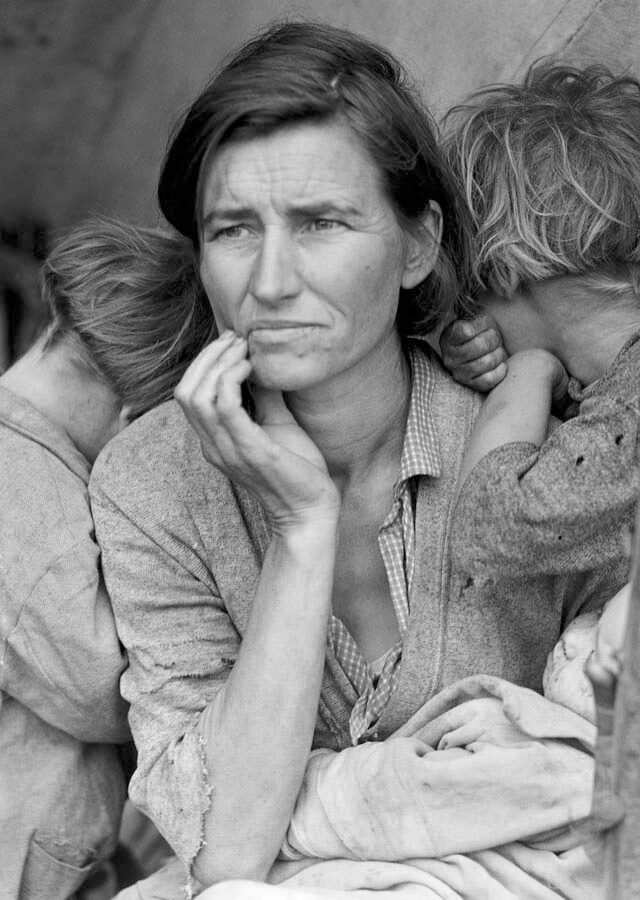
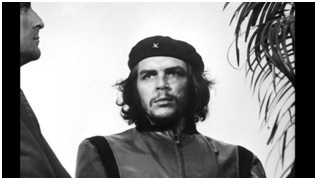
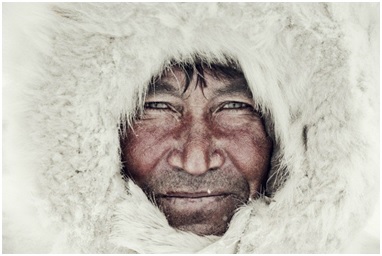
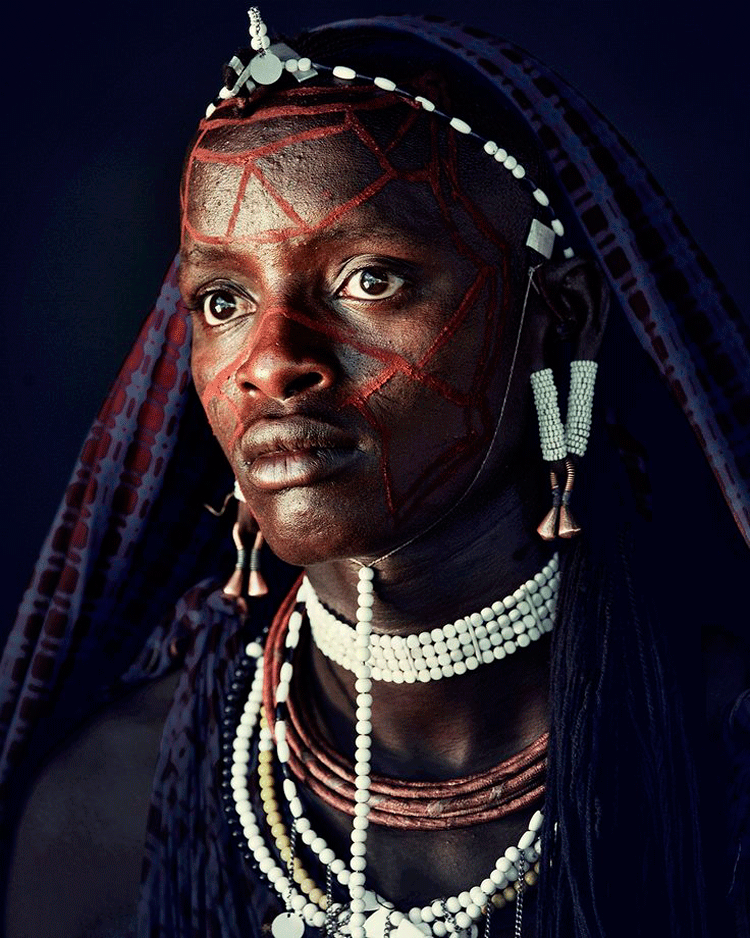
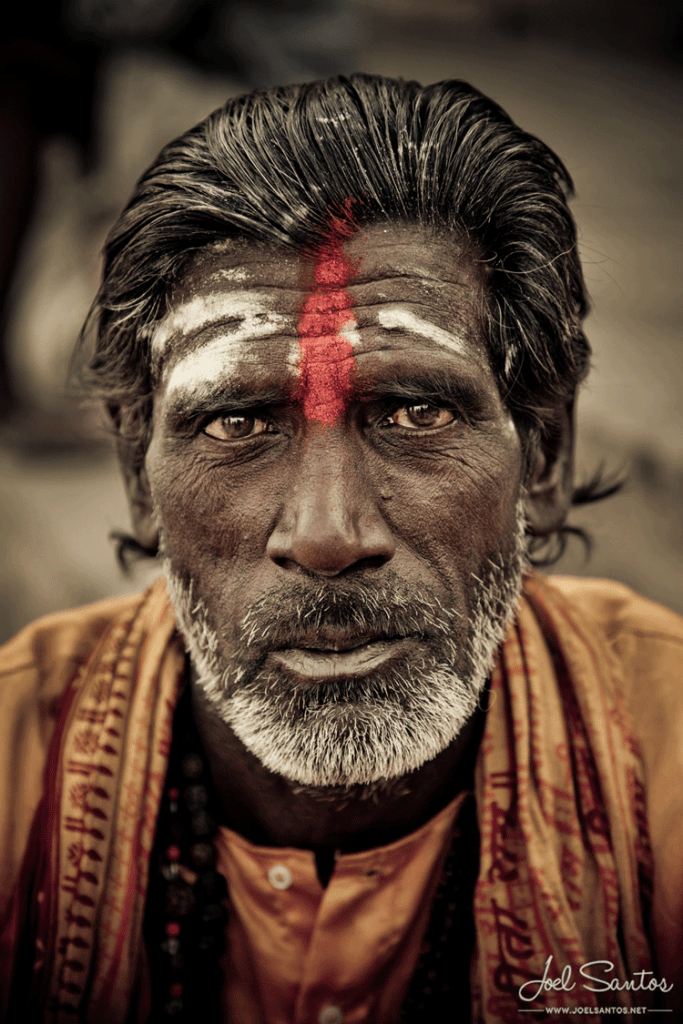
look at these photos… These are some of the most famous photographs in history

In all this photos there are some common characteristics:

  • people appear natural. They are not posing.
  • we don´t get distracted by the environment
  • lights and shadows are very important.

This week I would like you to become home-photographers. Here you have a video with tips to make fun portraits using kitchen stuff: salt shakers, mustard, a straier…

Watch the video and send me one portrait (it can be a self-portrait or someone’s else

Life on Mars

Good morning my dear students! How are you today?

This week we are doing a project about designing a house in Mars.

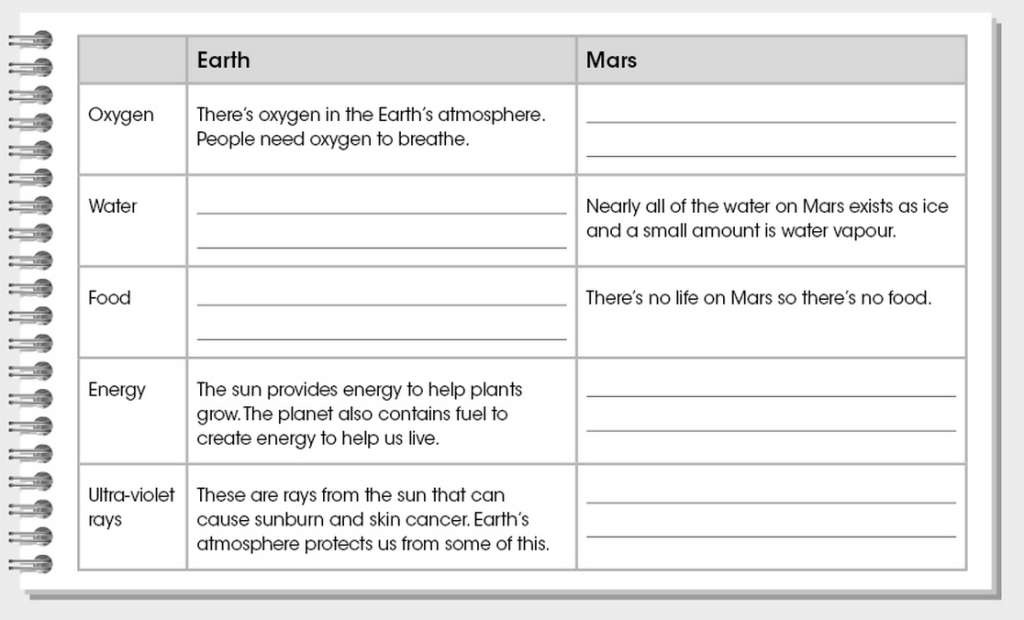
After reading page 72 on your pupil’s book you have to do this activity from the Activity Book

here you have some ideas to compare Mars and the Earth

https://spaceplace.nasa.gov/all-about-mars/en/

https://kids.nationalgeographic.com/explore/space/mission-to-mars/

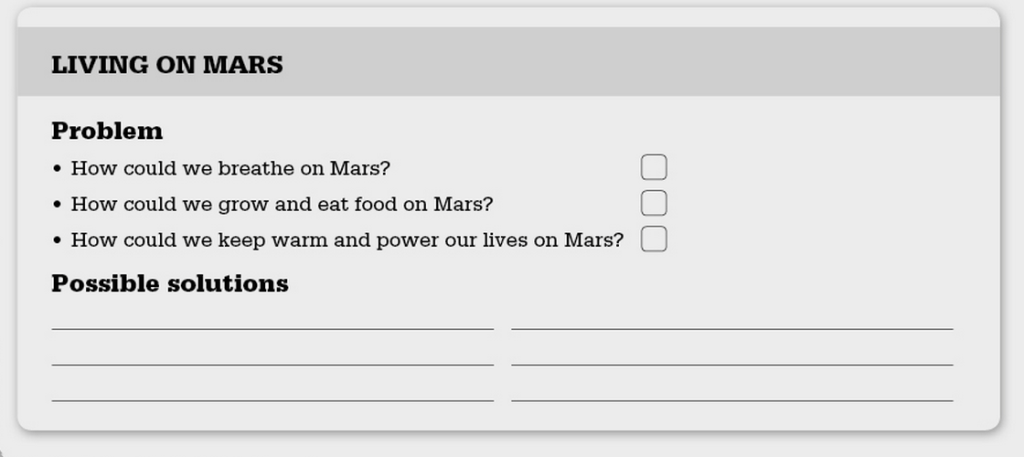
When you finish you have to do this activity

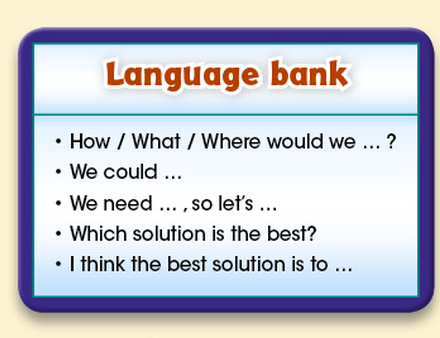
use these prompts to write your sentences

OXIDATION.

Hi class. Today we are going to learn about one of the most common chemical changes that happen around us: oxidation.

Have you ever seen how apples change to brown? This is a process called oxidation that happens when certain enzymes (poliphenol) that are on the apple get in contact with the oxygen from the air around us.

watch these videos to learn more

oxidation also happens in metals like Iron. In that case the oxide is called RUST

NOW… HANDS ON!!

Today you are doing an experiment using de SCIENTIFIC METHOD (método científico)

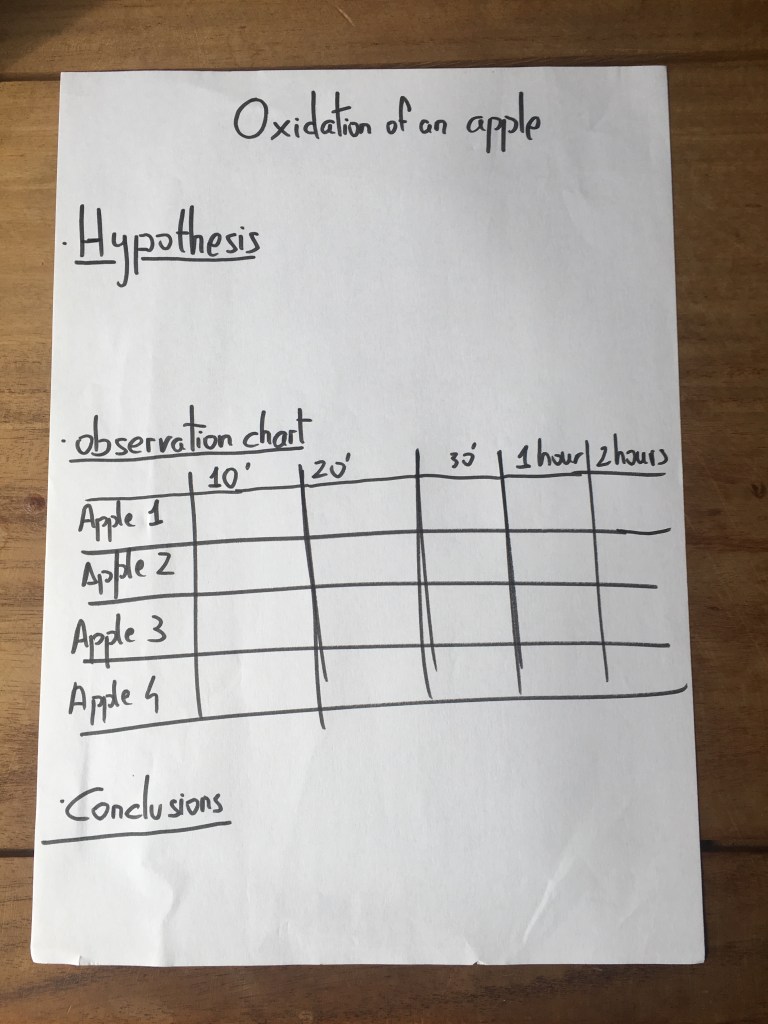
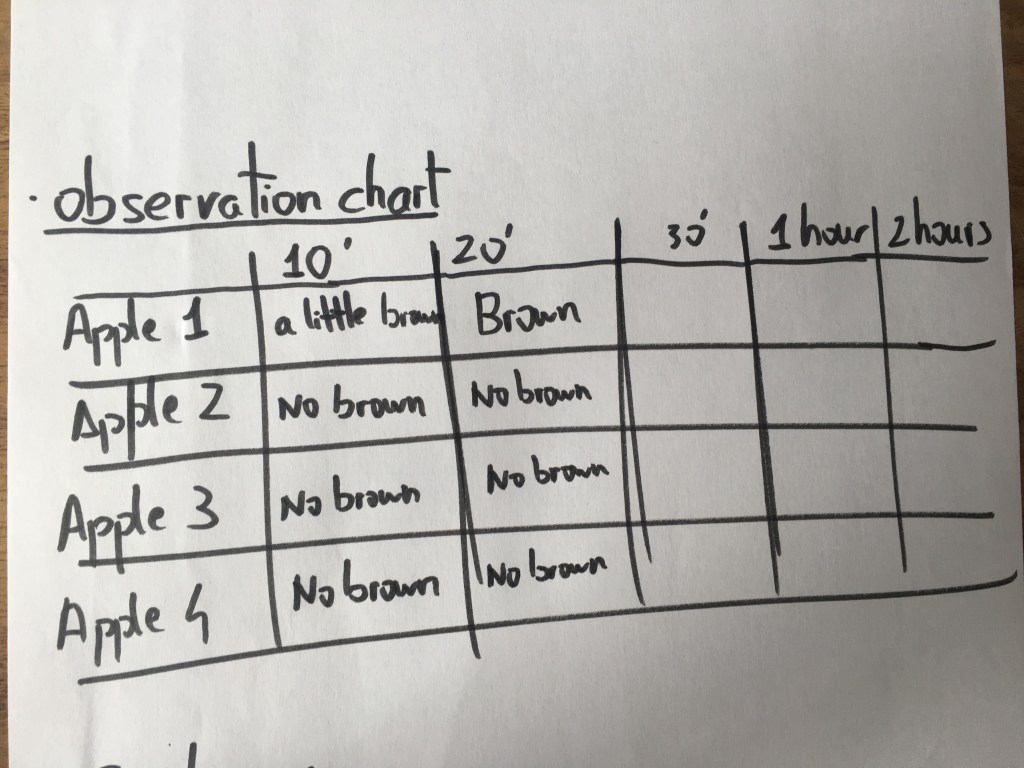
FIRST you need an observation register. check at mine

SECOND. Watch me explaining what you have to do!

THIRD. Write a hypothesis: what slice of apple is going to be brown first? wchich one is NOT going to be brown? (Escribe una hipótesis: ¿qué trozo de manzana se pondrá marrón primero? ¿qué trozo no se pondrá marrón?)

FOURTH Observe your apple and take notes after 10 minutes, 20 minutes, thirty minutes one hour and two hours. observa y marca con cruces en tu tabla)

FIFTH. After 2 hours write your conclusion and send me a photo of your paper.

Design a site like this with WordPress.com
Get started