Hello fifth graders!
In this SCIENCE unit we are learning about populations.
Today I share with you some information about population pyramids.
First, watch this video
IMPORTANT FACTS (DATOS IMPORTANTES)
- Male appear on the left side and female on the right (hombres aparecen a la derecha y mujeres a la izquierda)
- Horizontal axis (línea horizontal): Number of people (número de gente)
- vertical axis (línea vertical): different ages (diferentes edadades)
- You can see if the population of a country has more elderly or young people (puedes ver si hay más gente mayor o joven en un país)
- you can compare male and female (puedes comparar hombres y mujeres)
- you can compare with other countrys’ pyramids (puedes comparar con las pirámides de otros países)
- we can see the past, present and also predict the future (podemos ver el pasado, el presente y predecir el futuro)
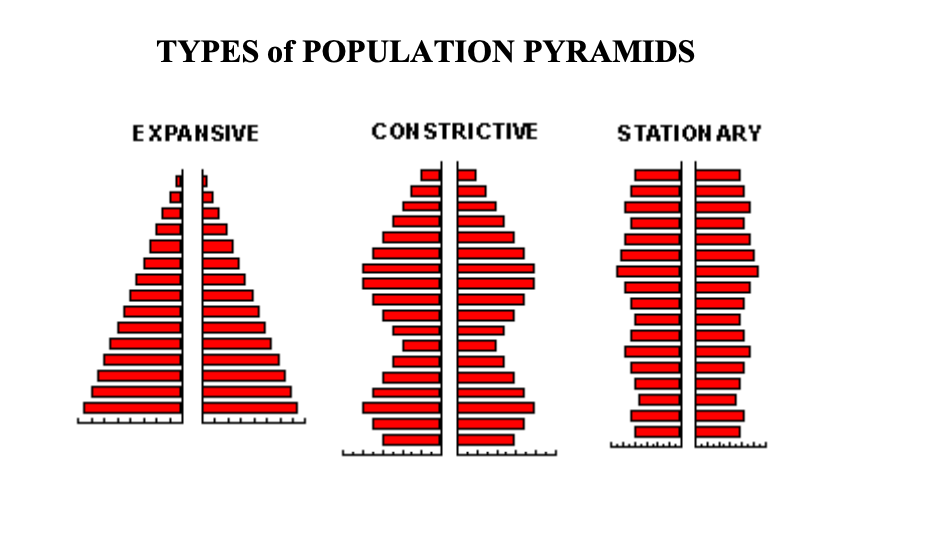
Expansive: there are a lot of young people and it decreases progressively. There is high infant mortal rate. These are typical pyramids in underdeveloped countries.
Expansiva: más jóvenes que mayores. Decrece. Alta mortalidad infantil. Típicas de países poco desarrollados.
Contrictive: A lot of adults. Less elderly and infants. Typical of developed countries.
Constrictiva: muchos adultos y menos ancianos y niños. Típicas de países muy desarrollados.
Stationary: well balanced: equal number of every age.
Estacionaria: bien equilibrada. mismo número en todas las edades.
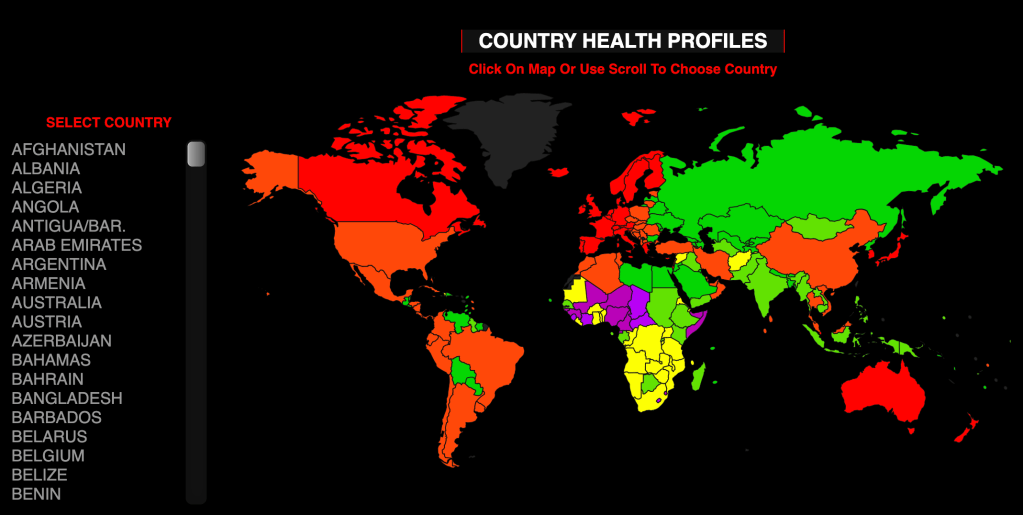
Click on the link and investigate the population pyramids of different countries:
- Click on one country
- look at the pyramid in different years
- stop it at 2020. What type of pyramid do you see?
Now. Select two countries: one from Europe and one from other continent.
Draw their population pyramids for 2020 and answer these questions:
- which country has more elderly?
- which country has less infant mortal rate?
- Which country has more woman over 60?
- which country has less man over 70?
TRADUCCIÓN: Compara dos países (uno europeo y otro de otro continente) dibuja sus dos pirámides de población y responde a las 4 preguntas de arriba.
 Class, Class, Yes, Yes